VINCI: The Games
More than 90 Unity-built educational games for children aged 4 to 7.
My role: Design Director, 2011 to 2015. I built and led the team, set the creative direction, worked daily with our educational consultants, and represented the games at the executive table. I stayed hands-on when it counted: 3D models, animation, textures, promo videos. And I was the last person to test every game. Nothing shipped without my approval.
The real design problem
The curriculum covered math, science, and English for children aged four to seven. The team building it was a group of adults who love games. Everyone had instincts about how games should feel, formed by the games we played ourselves, and for a while we didn't notice we were quietly designing for us.
That gap, between the people making the product and the people using it, turned out to be the central design problem of the entire catalogue. The stories on this page are about closing it.
One game: patterns
On the surface it was simple. Working with our educational consultants, we designed a pattern recognition game with three levels of difficulty: shape patterns in a single colour, colour patterns on a single shape, and mixed patterns, where the shapes and colours vary independently.
We paper-tested it with staff first. Some of them, including engineers, couldn't see the mixed patterns. The obvious conclusion was that if trained adults were failing, the game was far too hard for a four-year-old, and we discussed simplifying it at length.
Instead, we took the same paper test to one of our VINCI schools and ran it in situ. The kids saw the patterns instantly. All of them. What had stumped our engineers was easy for the audience it was designed for.
The game shipped as designed. The lesson outlived it: stop testing with whoever is available because it's fast and convenient, and test with the actual audience. It became a rule for everything we made afterward, and it has stayed a rule for me since.
The posters
Rules are one thing. Getting a whole team to feel who they're building for is another.
I arranged a field trip for the full department to spend an afternoon at one of our schools with the kids: playing, talking, watching them use what we'd made. We photographed the day in a casual, unscripted documentary style. Afterward, I had posters made from those photos and put them up around the studio.
Seeing ourselves next to the kids did something a persona document never could. It was a good memory, but mostly it was a standing reminder, every day, of exactly who the work was for. The games got better because the people making them stopped designing for themselves.
The analytics underneath
The games were the surface. The analytics were the product.
Behind every interaction, we tracked how a child answered, not just whether they answered correctly. Response time and response type let us tell, with a good degree of accuracy, when a child was guessing rather than solving. Working with an MIT consultant specializing in early childhood education, we combined that data with research to build performance analysis that helped parents and educators understand each child's abilities and areas for improvement, and to predict future needs at the individual level.
That's what separated the catalogue from entertainment: 90 games that were also a continuous, individualized assessment a teacher could act on.

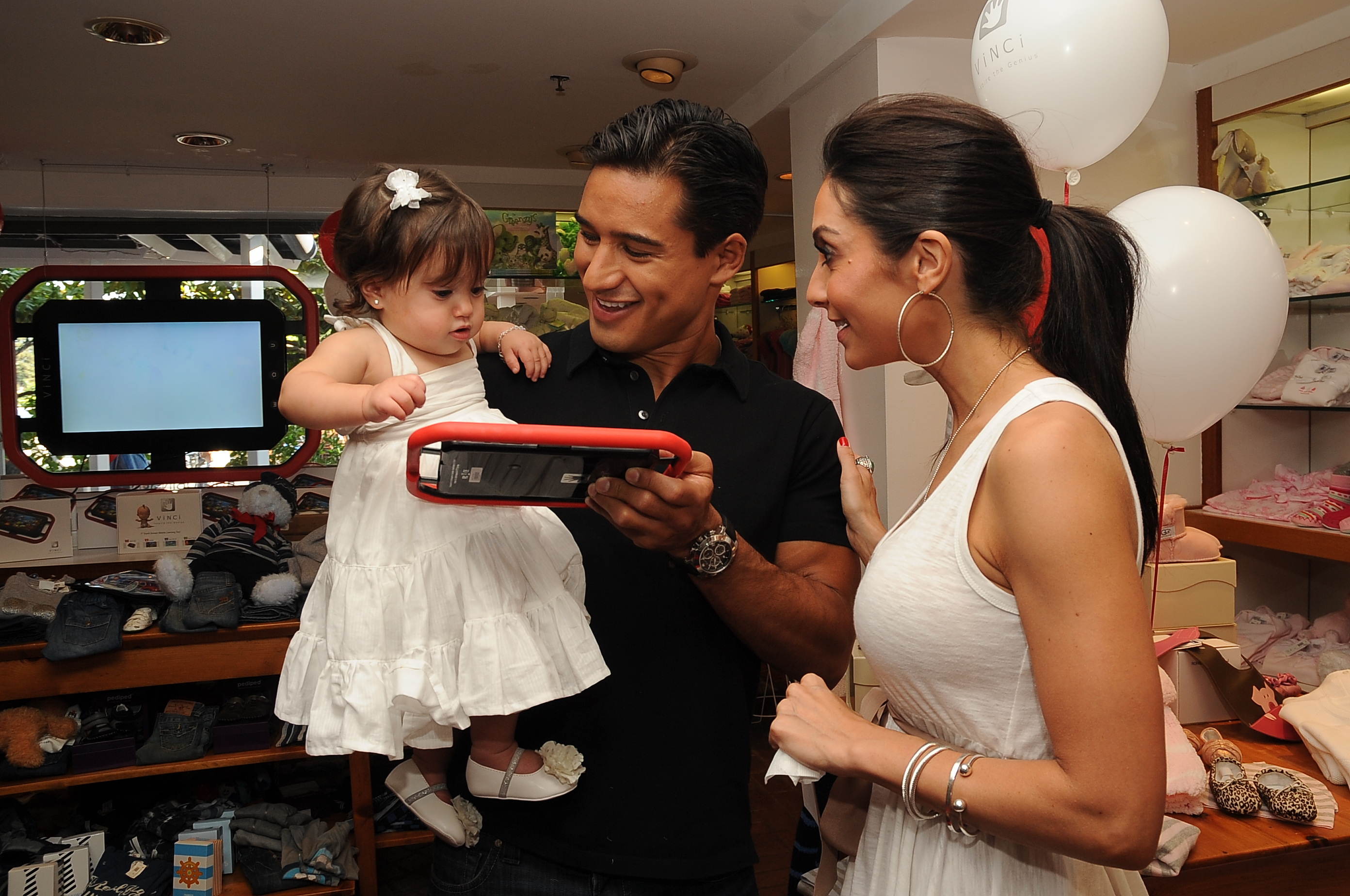
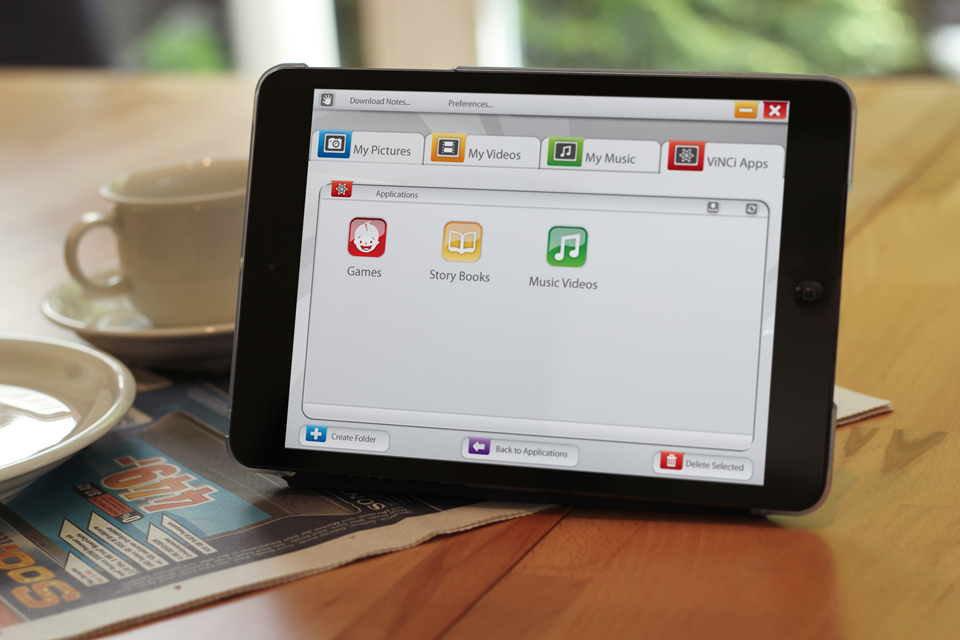
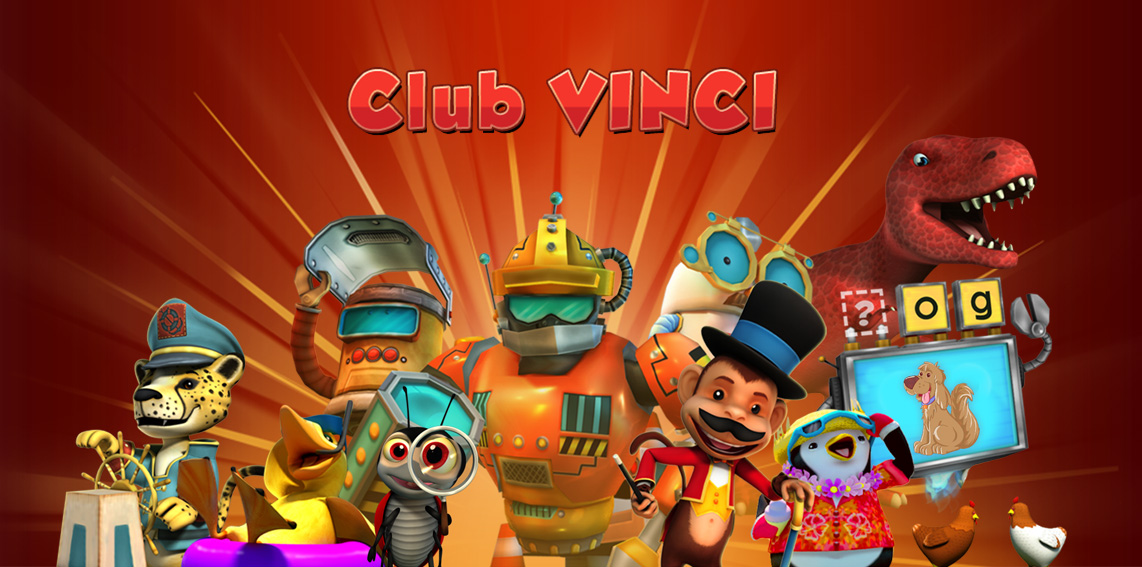
Club VINCI
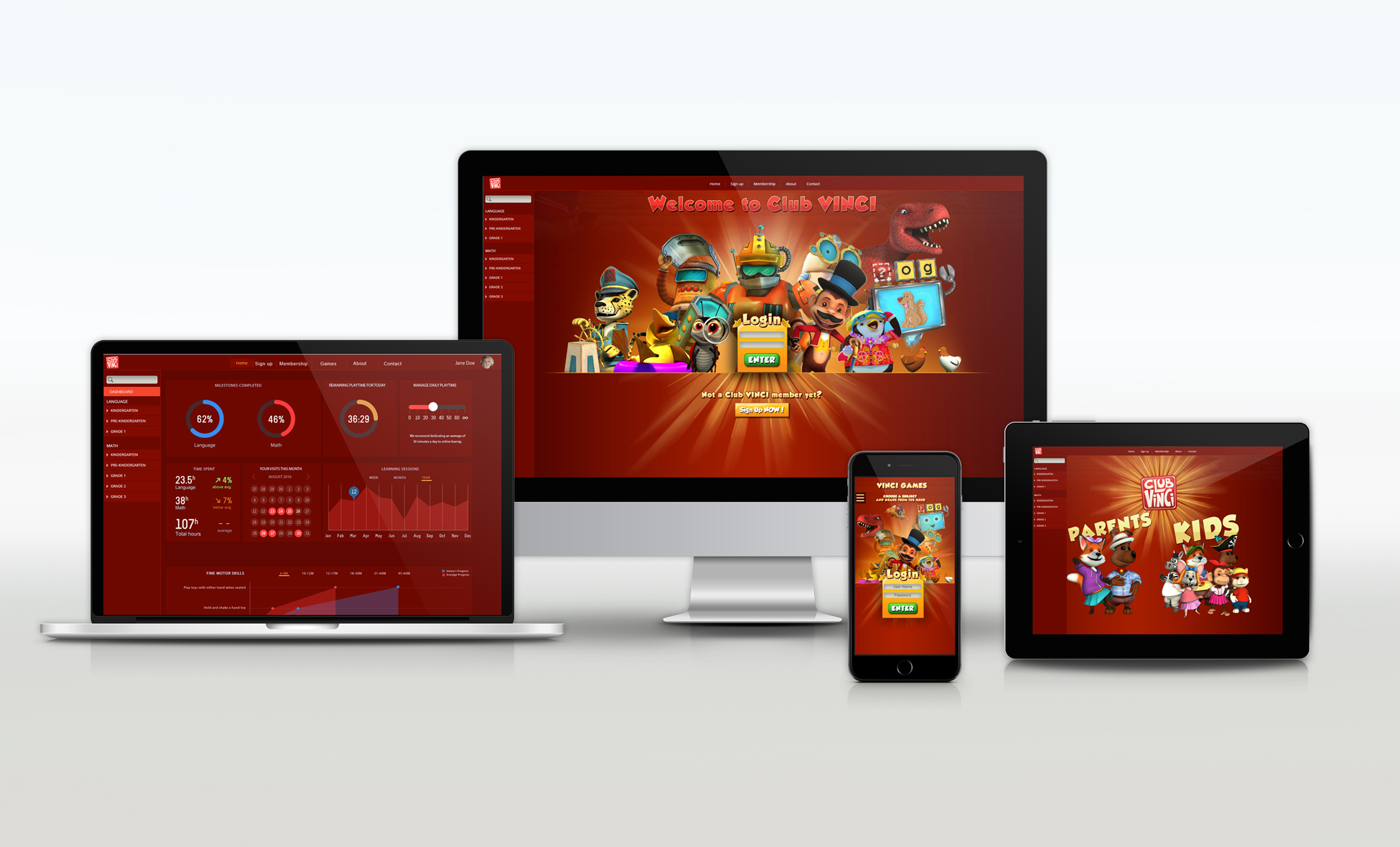
I led the extension of the platform into the home: a multiplayer environment that took the classroom curriculum and turned it into something parents and children could play together, keeping the learning going outside school hours.
VINCI Cubes
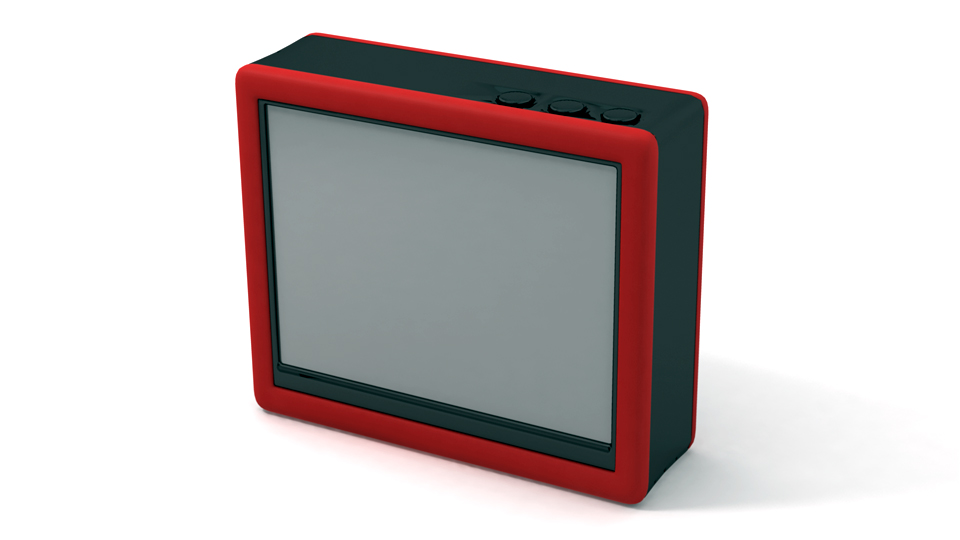
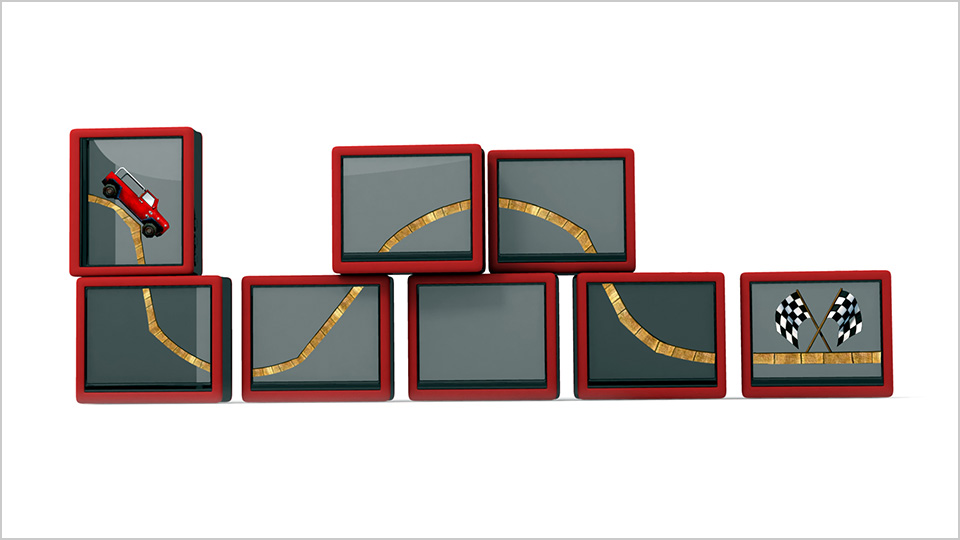
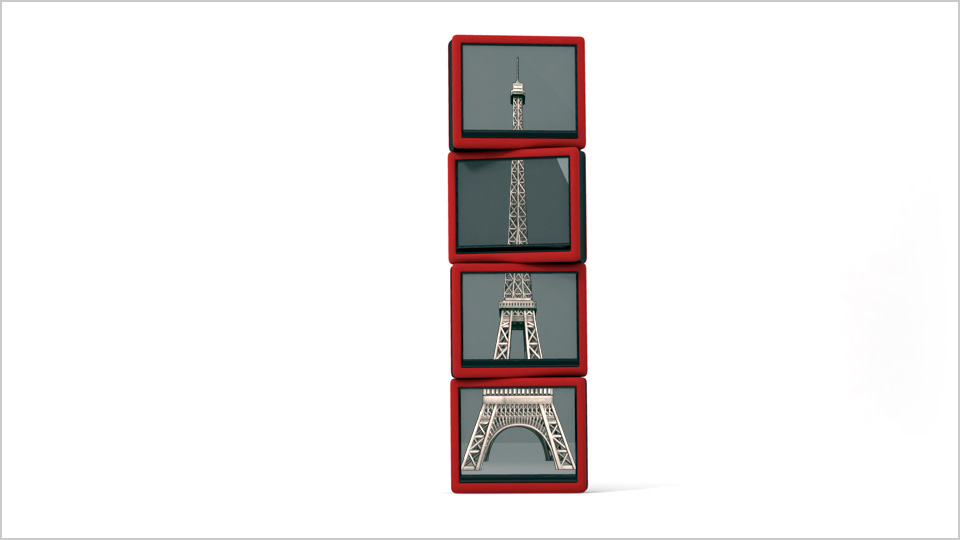
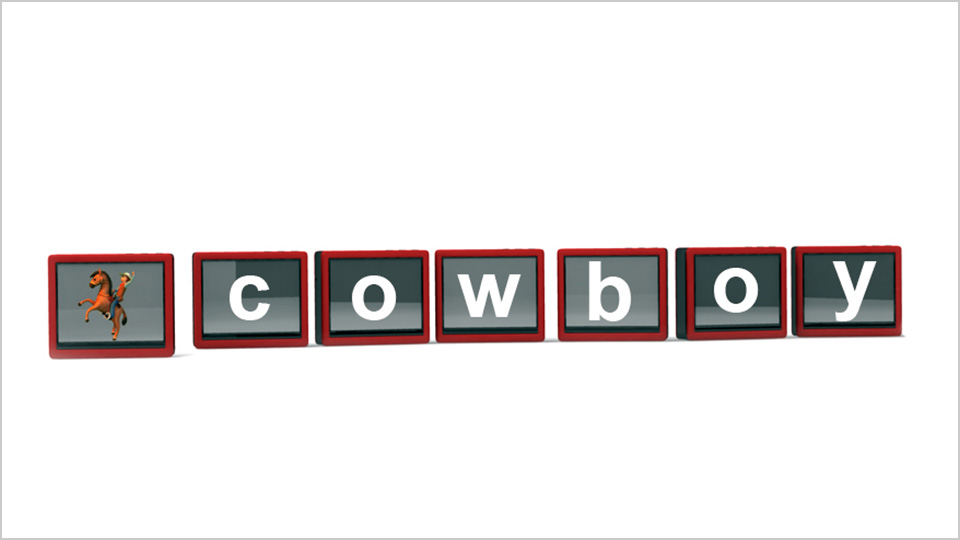
Working with R&D, I developed a 3D concept exploring connected tablet experiences: devices that respond to each other's position and orientation, opening up more physical, collaborative ways for kids to learn together.

What I learned
You are not your user, and no amount of experience exempts you from that. Our engineers failed a test that four-year-olds passed without hesitation. Every important design decision at VINCI got better the moment we put it in front of a real child instead of a convenient adult, and the best thing I built there wasn't a game. It was a team that never forgot who it was building for.
Awards
- 2014 SIIA CODiE Award "Best Game-Based Curriculum"
- 2014 Tech & Learning Awards of Excellence Winner
- 2013 EDDIE Award "Best Tablet Learning Solution"
- 2013 International CES "Innovation Award"
- 2011 Kids First Award